

As a supplier of zirconia ceramic beams, I've seen firsthand how the joining method can have a huge impact on the performance of these essential components. Zirconia ceramic beams are used in a wide range of applications, from high - tech automation equipment to photovoltaic systems. And the way we join these beams can make or break their functionality.
Let's start by understanding what zirconia ceramic beams are. Zirconia ceramics are known for their high strength, excellent wear resistance, and good thermal stability. These properties make zirconia ceramic beams ideal for use in environments where other materials might fail. For example, in high - precision machinery, they can maintain their shape and performance under extreme conditions.
Now, let's talk about the different joining methods and how they affect the performance of zirconia ceramic beams.
1. Adhesive Bonding
Adhesive bonding is one of the most common methods for joining zirconia ceramic beams. The advantage of this method is that it's relatively simple and can be used to join beams of different shapes and sizes. You just apply the adhesive between the two surfaces that need to be joined and let it cure.
However, the performance of the joint depends a lot on the quality of the adhesive. A good adhesive should have high strength, good chemical resistance, and be able to withstand the operating conditions of the zirconia ceramic beam. If the adhesive is not strong enough, the joint can fail under stress. For instance, in a high - vibration environment, a weak adhesive might cause the beam to separate, leading to equipment malfunction.
Another factor to consider is the curing process. If the adhesive is not cured properly, it may not reach its full strength. This can result in a joint that is prone to cracking or delamination over time.
2. Mechanical Fastening
Mechanical fastening involves using bolts, screws, or other mechanical devices to hold the zirconia ceramic beams together. This method offers a high degree of flexibility as it allows for easy disassembly and reassembly if needed.
But mechanical fastening also has its drawbacks. Drilling holes in the zirconia ceramic beams can weaken the material around the holes. This is because zirconia ceramics are brittle, and the stress concentration around the holes can lead to cracks. Additionally, the mechanical fasteners themselves can introduce stress points, which may cause the beam to fail under certain loads.
3. Fusion Bonding
Fusion bonding is a more advanced method where the zirconia ceramic beams are heated to a high temperature until they melt and fuse together. This creates a very strong and seamless joint.
The main advantage of fusion bonding is the high - strength joint it produces. Since the two beams become one during the fusion process, there are no weak points at the joint. This makes the beam more resistant to stress, heat, and wear.
However, fusion bonding requires specialized equipment and a high - level of expertise. The heating process needs to be carefully controlled to avoid over - heating or uneven melting, which can lead to defects in the joint.
4. Brazing
Brazing is a method where a filler metal is used to join the zirconia ceramic beams. The filler metal is heated until it melts and flows into the joint, creating a bond between the two beams.
Brazing can provide a strong joint, especially when the right filler metal is chosen. The filler metal should have good wetting properties and be able to bond well with the zirconia ceramic. But brazing also has some challenges. The brazing process can introduce thermal stresses in the beams, which may cause cracking. And if the filler metal is not compatible with the zirconia ceramic, it can lead to poor bonding.

The choice of joining method can also affect other performance aspects of zirconia ceramic beams. For example, the joining method can influence the beam's thermal conductivity. A poorly joined beam may have a lower thermal conductivity, which can lead to over - heating in applications where heat dissipation is important.
In addition, the joining method can impact the beam's electrical properties. In some applications, such as in electronic devices, the electrical insulation or conductivity of the beam is crucial. A joint that is not properly made can disrupt the electrical performance of the beam.
As a supplier, I understand that choosing the right joining method is essential for ensuring the optimal performance of zirconia ceramic beams. We offer a variety of zirconia ceramic beams and can provide advice on the best joining method for different applications.
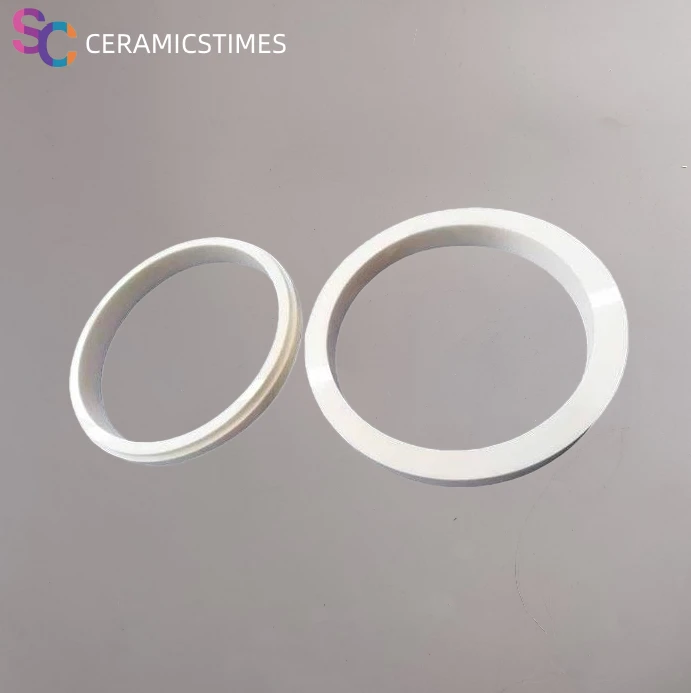
If you're in the market for high - quality zirconia ceramic beams, we also have related products that might interest you. Check out our Zirconia Sealing Ring, Silicon Carbide Ceramic Sealing Ring, and Ceramic Pliers For Photovoltaic Equipment.
If you have any questions or want to discuss your specific requirements for zirconia ceramic beams or our other products, feel free to reach out. We're here to help you make the right choice for your project.
References
- "Ceramics: Structure, Properties, Processing, and Applications" by John B. Wachtman Jr.
- "Zirconia Ceramics: Science and Technology" by R. C. Garvie, R. H. Hannink, and R. T. Pascoe.