

Zirconia suckers, known for their high strength, wear resistance, and chemical stability, are widely used in various fields, especially in the photovoltaic and automation industries. As a professional zirconia sucker supplier, we understand that the texture of a zirconia sucker plays a crucial role in its performance. In this blog, we will explore how the texture impacts the performance of zirconia suckers.
1. Overview of Zirconia Suckers
Zirconia, or zirconium dioxide (ZrO₂), is a ceramic material with excellent mechanical properties. Zirconia suckers are designed to pick up and hold objects, often with high precision. They are commonly used in semiconductor manufacturing, photovoltaic cell production, and other high - tech industries where accurate handling of delicate components is required.
2. Types of Texture in Zirconia Suckers
2.1 Smooth Texture
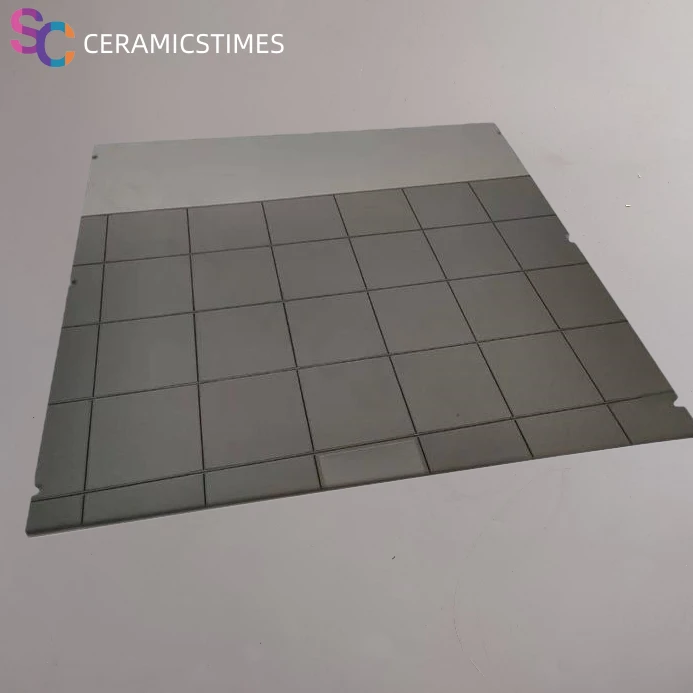
A smooth - textured zirconia sucker has a flat and uniform surface. This type of texture is achieved through precise machining and polishing processes. The smooth surface reduces friction when the sucker comes into contact with the object. It is beneficial for applications where a gentle touch is needed, such as handling thin and fragile semiconductor wafers. The smooth texture also helps in preventing scratches on the surface of the object being picked up.

2.2 Rough Texture
A rough - textured zirconia sucker has a surface with irregularities. This texture can be created through processes like sandblasting or by using special molds during the manufacturing process. The rough surface increases the friction between the sucker and the object, which is advantageous for applications where a strong grip is required. For example, in the photovoltaic industry, when handling heavy glass substrates, a rough - textured zirconia sucker can provide a more secure hold.
3. Impact of Texture on Performance
3.1 Grip Strength
The texture of a zirconia sucker directly affects its grip strength. A rough - textured sucker can provide a higher coefficient of friction compared to a smooth - textured one. This means that it can hold objects more firmly, especially when dealing with objects that have smooth surfaces or are subject to vibrations. In the case of Ceramic Nozzles For Photovoltaic Equipment, a rough - textured zirconia sucker can ensure a stable hold during the installation or handling process, reducing the risk of dropping the nozzles.
On the other hand, a smooth - textured sucker may have lower grip strength but is more suitable for applications where a gentle touch is required. For instance, when handling micro - components in semiconductor manufacturing, a smooth - textured sucker can prevent damage to the delicate parts while still providing enough suction to hold them.
3.2 Wear Resistance
The texture also influences the wear resistance of the zirconia sucker. A rough - textured sucker may experience more wear due to the increased contact area and friction with the objects it handles. However, if the rough texture is properly designed, it can distribute the wear more evenly across the surface, potentially increasing the overall lifespan of the sucker.
A smooth - textured sucker, with its reduced friction, generally has less wear. But in some cases, if the sucker is used in an environment with abrasive particles, the smooth surface may be more prone to scratching, which can affect its performance over time.
3.3 Suction Efficiency
The texture can impact the suction efficiency of the zirconia sucker. A smooth - textured surface allows for a more uniform distribution of the suction force. This is because there are no irregularities to disrupt the flow of air, resulting in a more consistent suction. In applications where precise suction control is required, such as in pick - and - place machines, a smooth - textured sucker can provide better performance.
A rough - textured sucker, however, may have some air leakage due to the surface irregularities. But this can be compensated by adjusting the suction pressure. In some cases, the rough texture can also help in creating a better seal around the object, especially if the object has a non - flat surface.
3.4 Surface Contamination
The texture of the zirconia sucker can affect its susceptibility to surface contamination. A smooth - textured surface is easier to clean because there are fewer crevices for contaminants to accumulate. This is important in industries where a clean environment is crucial, such as semiconductor manufacturing.
A rough - textured surface, on the other hand, may trap contaminants more easily. However, proper cleaning methods and materials can be used to maintain the performance of the rough - textured sucker.
4. Applications and Texture Selection
4.1 Photovoltaic Industry
In the photovoltaic industry, both smooth and rough - textured zirconia suckers are used. For handling thin solar cells, a smooth - textured sucker is preferred to prevent damage to the cells. The smooth surface ensures a gentle touch and reduces the risk of scratching. On the other hand, when handling larger glass substrates or Mirror Ceramic Plate, a rough - textured sucker can provide a stronger grip, especially during transportation and installation.
4.2 Semiconductor Industry
In semiconductor manufacturing, precision is of utmost importance. Smooth - textured zirconia suckers are commonly used for handling wafers and micro - components. The smooth surface allows for accurate positioning and reduces the risk of damage to the delicate parts. The uniform suction provided by the smooth texture ensures that the components are held securely without any distortion.
4.3 Grinding and Polishing
In the grinding and polishing processes, Ceramic Grinding Wheel is often used in combination with zirconia suckers. The texture of the sucker can affect the stability of the grinding wheel during operation. A rough - textured sucker can provide a better grip on the grinding wheel, ensuring that it remains in place during the grinding process.
5. Conclusion
The texture of a zirconia sucker has a significant impact on its performance. Whether it is grip strength, wear resistance, suction efficiency, or susceptibility to contamination, the texture plays a crucial role in determining the suitability of the sucker for different applications. As a zirconia sucker supplier, we offer a wide range of textures to meet the diverse needs of our customers.
If you are looking for high - quality zirconia suckers for your specific application, we invite you to contact us for a detailed discussion. Our team of experts can help you select the most appropriate texture and design for your requirements. We are committed to providing the best products and services to ensure your satisfaction.
References
- "Ceramic Materials: Structure, Properties, Processing, and Applications" by Richard E. Tressler
- "Semiconductor Manufacturing Technology" by Peter Van Zant
- "Photovoltaic Technology: Principles, Processes, and Systems" by Jürgen H. Werner and Marko Topič