

Hey there! As a supplier of zirconia ceramic beams, I often get asked about the minimum temperature these bad boys can withstand. So, let's dive right into it and explore this topic in detail.
First off, zirconia ceramic is a pretty amazing material. It's known for its high strength, excellent wear resistance, and good thermal stability. But when it comes to the minimum temperature, there are a few factors to consider.
Zirconia ceramic beams are typically made from zirconium dioxide (ZrO₂), which exists in different crystal structures depending on the temperature. At room temperature, it usually has a monoclinic structure. As the temperature drops, the material can undergo a phase transformation, which can have an impact on its properties.
The minimum temperature that zirconia ceramic beams can withstand largely depends on the specific composition and manufacturing process. Generally speaking, pure zirconia ceramic can handle extremely low temperatures. In fact, it can withstand temperatures as low as -273°C (absolute zero), but in practical applications, we usually don't go that extreme.
In most industrial and commercial applications, zirconia ceramic beams are designed to work in a wide temperature range. They can easily handle temperatures down to -200°C without significant degradation in their mechanical properties. This makes them suitable for use in cryogenic environments, such as in the aerospace and medical industries.
One of the reasons zirconia ceramic is so good at withstanding low temperatures is its high thermal shock resistance. Thermal shock occurs when a material is subjected to a rapid change in temperature. Zirconia ceramic has a relatively low coefficient of thermal expansion, which means it doesn't expand or contract as much as other materials when the temperature changes. This helps to prevent cracking and other forms of damage.
Another factor that affects the minimum temperature tolerance of zirconia ceramic beams is the presence of impurities and additives. Some manufacturers may add other elements to the zirconia to improve its properties, such as its strength or toughness. These additives can have an impact on the material's performance at low temperatures.
For example, yttria-stabilized zirconia (YSZ) is a common type of zirconia ceramic that contains yttrium oxide (Y₂O₃) as a stabilizer. YSZ has better thermal stability and toughness than pure zirconia, which makes it more suitable for use in high-stress applications at low temperatures.
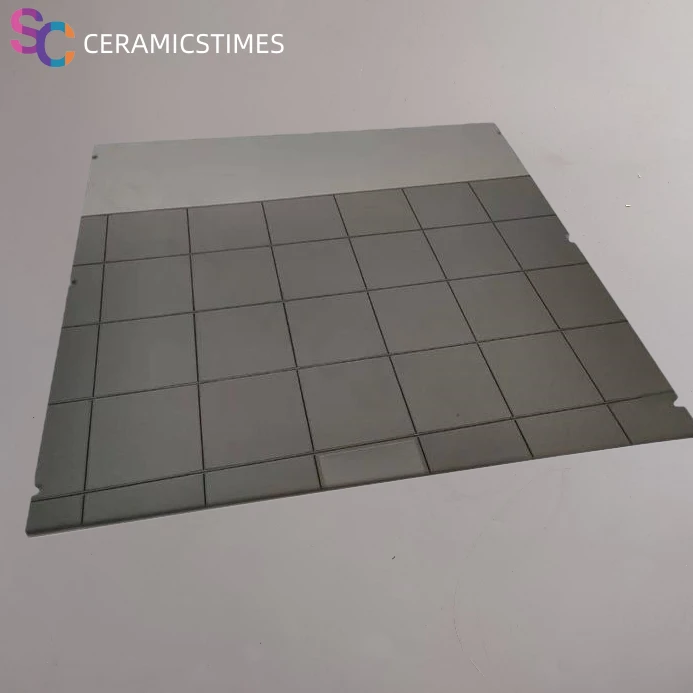

In addition to its temperature resistance, zirconia ceramic beams also have other advantages. They are highly resistant to corrosion, which makes them ideal for use in harsh chemical environments. They also have good electrical insulation properties, which makes them useful in electronic applications.
If you're in the market for zirconia ceramic beams, it's important to choose a supplier who can provide high-quality products. At our company, we take pride in our commitment to quality and customer satisfaction. We use the latest manufacturing techniques and state-of-the-art equipment to ensure that our zirconia ceramic beams meet the highest standards.
We also offer a wide range of zirconia ceramic products, including Ceramic Ball Valve, Mirror Ceramic Plate, and Zirconia Sucker. Our products are used in a variety of industries, including aerospace, automotive, medical, and electronics.
If you're interested in learning more about our zirconia ceramic products or have any questions about the minimum temperature tolerance of our zirconia ceramic beams, please don't hesitate to contact us. We'd be happy to discuss your specific needs and provide you with a customized solution.
In conclusion, zirconia ceramic beams are a versatile and reliable material that can withstand extremely low temperatures. Their high thermal shock resistance, corrosion resistance, and electrical insulation properties make them suitable for a wide range of applications. If you're looking for a high-quality zirconia ceramic beam supplier, look no further. Contact us today to learn more.
References:
- "Ceramics Science and Technology" by Richard E. Tressler
- "Handbook of Advanced Ceramics" edited by Susumu Somiya