

Can a ceramic ball valve be used in a chemical plant? That's a question I get asked a lot as a ceramic ball valve supplier. And the answer is a resounding yes! In this blog post, I'll explain why ceramic ball valves are a great choice for chemical plants, and how they can help you improve your operations.
First off, let's talk about what a ceramic ball valve is. It's a type of valve that uses a ceramic ball to control the flow of fluid. The ball has a hole in the middle, and when it's turned, the hole aligns with the pipe, allowing fluid to flow through. When the ball is turned the other way, the hole is blocked, and the flow stops.
Now, why are ceramic ball valves so good for chemical plants? Well, there are a few reasons.

1. Corrosion Resistance
Chemical plants deal with all sorts of corrosive substances. Acids, bases, and other chemicals can eat away at metal valves over time, leading to leaks and failures. Ceramic, on the other hand, is highly resistant to corrosion. It can withstand exposure to a wide range of chemicals without getting damaged. This means that ceramic ball valves have a much longer lifespan in chemical environments compared to metal valves. For example, in a plant that deals with sulfuric acid, a metal valve might start to corrode within a few months, while a ceramic ball valve can last for years.
2. Wear Resistance
In addition to corrosion, chemical processes often involve the flow of abrasive materials. These can be solids suspended in the fluid or particles that are generated during the chemical reactions. Metal valves can get worn down quickly by these abrasive materials, which can affect their performance. Ceramic is extremely hard and wear - resistant. It can handle the constant flow of abrasive substances without significant wear. This ensures that the valve maintains its sealing performance and flow control accuracy over a long period.
3. High - Temperature Resistance
Many chemical processes take place at high temperatures. Metal valves can deform or lose their strength at elevated temperatures, which can lead to valve failure. Ceramic ball valves can withstand high temperatures without any significant change in their properties. They can operate reliably in environments where the temperature can reach several hundred degrees Celsius. This makes them suitable for use in processes such as distillation, where high temperatures are involved.
4. Chemical Inertness
Ceramic is chemically inert, which means it doesn't react with most chemicals. This is crucial in a chemical plant, where you don't want the valve material to contaminate the chemicals or participate in unwanted chemical reactions. For example, in a pharmaceutical chemical plant, where purity is of utmost importance, a ceramic ball valve can ensure that the chemicals remain pure and uncontaminated.
Applications in Chemical Plants
Ceramic ball valves can be used in a variety of applications in chemical plants.
- Acid and Base Handling: As I mentioned earlier, they are ideal for handling corrosive acids and bases. Whether it's hydrochloric acid, nitric acid, or sodium hydroxide, ceramic ball valves can provide reliable flow control without being damaged.
- Slurry Handling: In processes where slurries (mixtures of solids and liquids) are involved, ceramic ball valves can handle the abrasive nature of the slurry. For example, in a mining chemical plant where ore slurries are processed, these valves can ensure smooth operation.
- High - Temperature Reactions: In chemical reactions that occur at high temperatures, such as cracking processes in the petrochemical industry, ceramic ball valves can maintain their performance and integrity.
Our Product Range
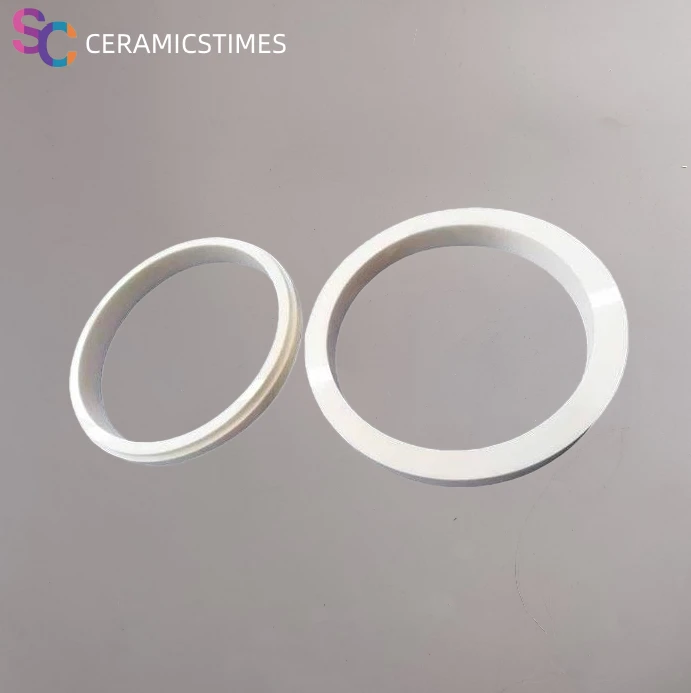
As a ceramic ball valve supplier, we offer a wide range of products to meet the diverse needs of chemical plants. We also have related ceramic products that can complement the use of ceramic ball valves. For instance, we have Silicon Carbide Ceramic Sealing Ring, which provides excellent sealing performance in high - pressure and high - temperature chemical applications. Our Zirconia Sealing Ring is another great option for sealing, with its high strength and chemical resistance.
We also offer Mirror Ceramic Plate, which can be used in various chemical equipment for its smooth surface and chemical inertness. Our Zirconia Sucker is useful for handling small amounts of chemicals in a precise manner, and the Zirconia Ceramic Beam can be used in structural applications within the chemical plant.
How to Choose the Right Ceramic Ball Valve
When choosing a ceramic ball valve for your chemical plant, there are a few factors to consider.
- Chemical Compatibility: Make sure the ceramic material is compatible with the chemicals you'll be handling. Different types of ceramics have different levels of chemical resistance, so it's important to choose the right one.
- Pressure and Temperature Ratings: Consider the pressure and temperature conditions in your plant. The valve should be able to handle the maximum pressure and temperature it will be exposed to.
- Flow Rate Requirements: Determine the required flow rate of the fluid. The size and design of the valve should be selected to ensure that it can provide the necessary flow control.
Conclusion
In conclusion, ceramic ball valves are an excellent choice for chemical plants. Their corrosion resistance, wear resistance, high - temperature resistance, and chemical inertness make them reliable and long - lasting. If you're looking for a valve solution that can handle the harsh conditions of a chemical plant, ceramic ball valves are definitely worth considering.
If you're interested in learning more about our ceramic ball valves or any of our other ceramic products, feel free to reach out to us. We're here to help you find the right solutions for your chemical plant needs. Let's have a chat and see how we can work together to improve your operations.
References
- "Ceramic Materials in Chemical Engineering Applications" - Journal of Chemical Engineering Research
- "Valve Selection for Chemical Plants" - Chemical Process Engineering Magazine