

As a supplier of ceramic firing plates, I've received numerous inquiries about how to determine the quality of these essential components for various industrial and artistic firing processes. It's a crucial question because the quality of a ceramic firing plate can significantly impact the outcome of your firing projects, whether you're a professional potter, an industrial manufacturer, or an enthusiast. In this blog, I'll share some key factors to consider when assessing the quality of a ceramic firing plate.
Physical Appearance
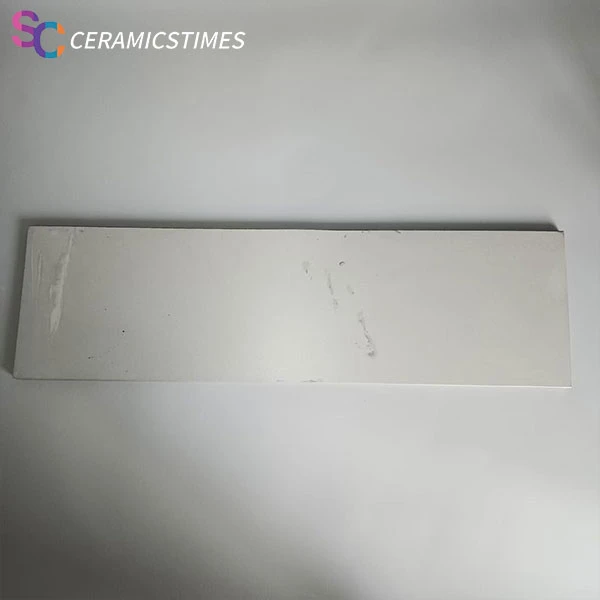
- Uniformity: A high - quality ceramic firing plate should have a uniformly smooth surface. Any visible cracks, chips, or unevenness can be a sign of poor manufacturing or internal stress. When you inspect the plate, run your hand over the surface. If you feel any rough spots or irregularities, it might not be of good quality. For example, in large - scale industrial firing operations where multiple plates are used in a kiln, non - uniform plates can lead to uneven heat distribution, affecting the final product's quality.
- Color Consistency: The color of the ceramic firing plate should be consistent throughout. Discoloration can indicate issues with the firing process during manufacturing or the presence of impurities. A consistent color is often a sign that the plate has been fired evenly and under the right conditions.
Material Composition
- Purity of Raw Materials: The quality of a ceramic firing plate starts with the raw materials used in its production. High - purity materials result in a more stable and durable plate. For instance, if the plate is made from silicon carbide, a high - purity silicon carbide source will provide better thermal conductivity and resistance to thermal shock. Our company uses top - grade raw materials to ensure the best performance of our Silicon Carbide Skeleton and other related products.
- Proper Composition Ratios: Different types of ceramic firing plates have specific composition ratios that are optimized for their intended use. For example, a Silicon Nitride Combined Silicon Carbide Ceramic Plate has a carefully balanced ratio of silicon nitride and silicon carbide to achieve the right combination of strength, thermal shock resistance, and chemical stability. Deviations from these ratios can lead to sub - optimal performance.
Thermal Properties
- Thermal Conductivity: Good thermal conductivity is essential for a ceramic firing plate. It ensures that heat is distributed evenly across the plate, preventing hot spots and cold spots in the firing process. A plate with high thermal conductivity will heat up and cool down more efficiently, reducing the overall firing time and energy consumption. You can test the thermal conductivity by placing a small, heat - sensitive object on the plate and observing how quickly it heats up. However, in a real - world setting, it's often more practical to rely on the manufacturer's specifications.
- Thermal Shock Resistance: Firing processes involve rapid temperature changes, and a high - quality ceramic firing plate must be able to withstand these thermal shocks without cracking or breaking. This property is especially important in applications where the plate is exposed to extreme temperature variations, such as in some industrial firing processes. Our Silicon Carbide Combined With Silicon Nitride Ceramic Crucible is designed to have excellent thermal shock resistance, making it suitable for demanding firing conditions.
Mechanical Strength
- Compressive Strength: The compressive strength of a ceramic firing plate is crucial, especially when it needs to support heavy loads during the firing process. A plate with low compressive strength may crack or break under the weight of the items being fired. Manufacturers usually provide data on the compressive strength of their plates, and it's important to choose a plate with sufficient strength for your specific application.
- Flexural Strength: Flexural strength refers to the ability of the plate to resist bending. In some firing setups, the plate may be subjected to bending forces, and a plate with good flexural strength will be less likely to break or deform. This is particularly important for larger - sized ceramic firing plates.
Chemical Resistance
- Resistance to Corrosion: Depending on the firing process, the ceramic firing plate may come into contact with various chemicals, such as glazes, fluxes, or combustion by - products. A high - quality plate should have good resistance to corrosion to prevent degradation over time. For example, in a pottery studio where different types of glazes are used, a corrosion - resistant plate will last longer and maintain its performance.
- Stability in Chemical Environments: The plate should also be chemically stable in the specific environment of the firing process. It should not react with the materials being fired or the gases present in the kiln. This stability ensures that the plate does not contaminate the final product and maintains its own integrity.
Manufacturer's Reputation
- Industry Experience: A manufacturer with a long - standing presence in the industry is more likely to produce high - quality ceramic firing plates. They have had the time to refine their manufacturing processes, improve their product quality, and gain valuable feedback from customers. When choosing a ceramic firing plate, it's worth researching the manufacturer's history and reputation.
- Quality Control Measures: Reputable manufacturers have strict quality control measures in place. They test their products at various stages of the manufacturing process to ensure that they meet the required standards. Look for manufacturers who can provide documentation of their quality control procedures and test results.
Customer Reviews
- Real - World Feedback: Reading customer reviews can give you valuable insights into the performance of a ceramic firing plate. Other users may share their experiences with the plate's durability, thermal properties, and overall quality. Pay attention to both positive and negative reviews to get a balanced view. However, keep in mind that individual experiences can vary depending on the specific application.
Cost - Benefit Analysis
- Price vs. Quality: While it's tempting to choose the cheapest ceramic firing plate available, it's important to consider the long - term cost - benefit. A higher - quality plate may cost more initially but can save you money in the long run by lasting longer, providing better performance, and reducing the likelihood of product defects. Compare the prices of different plates in relation to their quality and features to make an informed decision.
In conclusion, determining the quality of a ceramic firing plate involves a comprehensive assessment of its physical appearance, material composition, thermal and mechanical properties, chemical resistance, the manufacturer's reputation, customer reviews, and cost - benefit analysis. By considering these factors, you can choose a ceramic firing plate that meets your specific needs and ensures the success of your firing projects.
If you're interested in purchasing high - quality ceramic firing plates or have any questions about our products, we invite you to contact us to start a procurement discussion. We're committed to providing the best products and services to meet your requirements.

References
- Ceramic Engineering and Science Proceedings, various issues on ceramic materials and their properties.
- Journal of the American Ceramic Society, articles related to ceramic firing processes and materials.