

Hey there! As a supplier of ceramic ball valves, I often get asked if these valves are suitable for high - pressure applications. Well, let's dive right into it and find out.
First off, let's understand what a ceramic ball valve is. A Ceramic Ball Valve is a type of valve that uses a ceramic ball to control the flow of fluid. Ceramics have some amazing properties that make them stand out in the valve world. They're super hard, wear - resistant, and chemically inert.
Advantages of Ceramic Ball Valves for High - Pressure Applications
1. High Strength
Ceramics, especially advanced ceramics like zirconia and silicon carbide, have high compressive strength. This means they can withstand a large amount of pressure without deforming. For example, zirconia has a compressive strength that can be several times higher than that of traditional metals. In high - pressure systems, where the force exerted on the valve is immense, a ceramic ball valve can maintain its shape and function effectively.
2. Wear Resistance
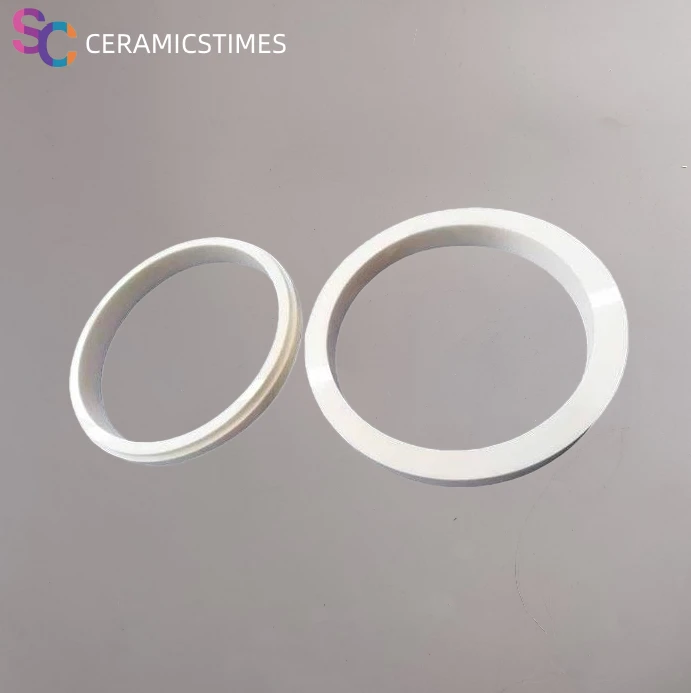
In high - pressure applications, the fluid flowing through the valve can be abrasive. This is where the wear - resistant nature of ceramics comes in handy. A Zirconia Sealing Ring or a Silicon Carbide Ceramic Sealing Ring in a ceramic ball valve can resist the erosive effects of the fluid. Over time, this reduces the need for frequent replacements and maintenance, saving both time and money.
3. Chemical Inertness
Many high - pressure systems deal with corrosive fluids. Ceramics are chemically inert, which means they don't react with most chemicals. This makes ceramic ball valves ideal for applications where the fluid can cause corrosion in traditional metal valves. For instance, in chemical processing plants, where strong acids or alkalis are used, a ceramic ball valve can provide long - term, reliable service.
Limitations of Ceramic Ball Valves in High - Pressure Applications
1. Brittleness
One of the main drawbacks of ceramics is their brittleness. While they have high compressive strength, they can be prone to cracking under tensile or shear stress. In high - pressure applications, sudden pressure changes or impacts can cause the ceramic ball or other components to crack. However, with proper design and installation, this risk can be minimized. For example, using shock - absorbing materials around the valve or ensuring a smooth flow of fluid to avoid sudden pressure spikes.
2. Cost
Ceramic ball valves are generally more expensive than their metal counterparts. The manufacturing process of ceramics is complex and requires specialized equipment. Also, the raw materials used, such as high - quality zirconia or silicon carbide, are costly. This can be a deterrent for some customers, especially those on a tight budget.
Real - World Applications
1. Oil and Gas Industry
In the oil and gas industry, high - pressure applications are common. Ceramic ball valves are used in wellhead control systems, pipeline transportation, and refineries. Their wear resistance and chemical inertness make them suitable for handling crude oil, natural gas, and various chemicals. For example, in offshore oil platforms, where the valves are exposed to harsh environmental conditions and high - pressure fluids, ceramic ball valves can provide reliable performance.
2. Power Generation
Power plants, especially those using steam or high - pressure water, can benefit from ceramic ball valves. In nuclear power plants, the valves need to withstand high pressures and temperatures, as well as be resistant to radiation. Ceramic ball valves can meet these requirements, ensuring the safe and efficient operation of the power generation process.

Making the Decision
When deciding whether a ceramic ball valve is suitable for a high - pressure application, several factors need to be considered. First, evaluate the pressure range of the system. If the pressure is extremely high and sudden pressure changes are likely, additional precautions may be needed to protect the ceramic components. Second, consider the nature of the fluid. If it's abrasive or corrosive, a ceramic ball valve may be a great choice.
Also, think about the budget. While ceramic ball valves are more expensive upfront, they can save money in the long run due to reduced maintenance and replacement costs.
If you're still not sure whether a ceramic ball valve is right for your high - pressure application, don't hesitate to reach out. We're here to help you make the best decision for your specific needs. Whether you need more information about our Ceramic Ball Valve or want to discuss your project in detail, we're just a message away. Let's have a chat and see how we can work together to meet your requirements.
References
- "Ceramics in Engineering Applications", John Wiley & Sons
- "Valve Technology Handbook", McGraw - Hill