

Medical ceramics have emerged as a revolutionary class of materials in the field of oncology, offering unique properties that address many challenges associated with cancer diagnosis, treatment, and patient care. As a medical ceramics supplier, I've witnessed firsthand the transformative impact these materials have on oncology. In this blog, I'll explore the various applications of medical ceramics in oncology and how they are reshaping the landscape of cancer care.
1. Surgical Applications
Ceramic Jaws for Surgical Instruments
In oncology surgeries, precision is of utmost importance. Ceramic jaws, such as those found on surgical forceps and clamps, offer several advantages. Ceramics are biocompatible, which means they do not cause adverse reactions when in contact with the human body. They are also extremely hard and resistant to wear, ensuring that the surgical instruments maintain their sharpness and precision over multiple uses. Ceramic Jaws are particularly useful in delicate oncological procedures where precise tissue manipulation is required, such as the removal of small tumors or the dissection of cancerous tissues near vital organs.
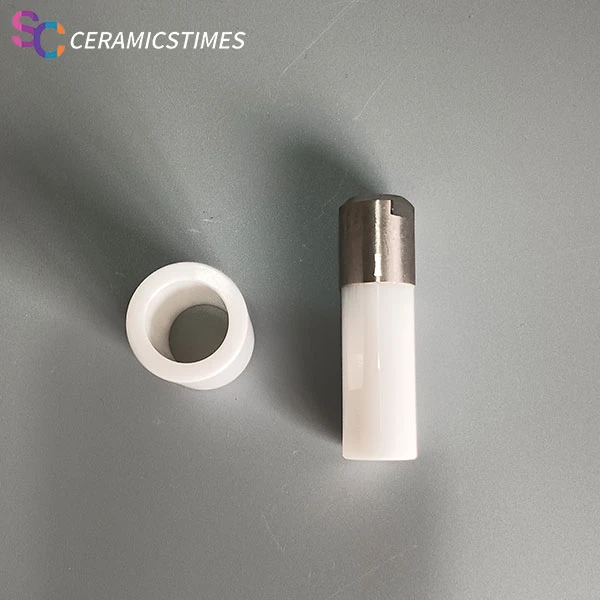
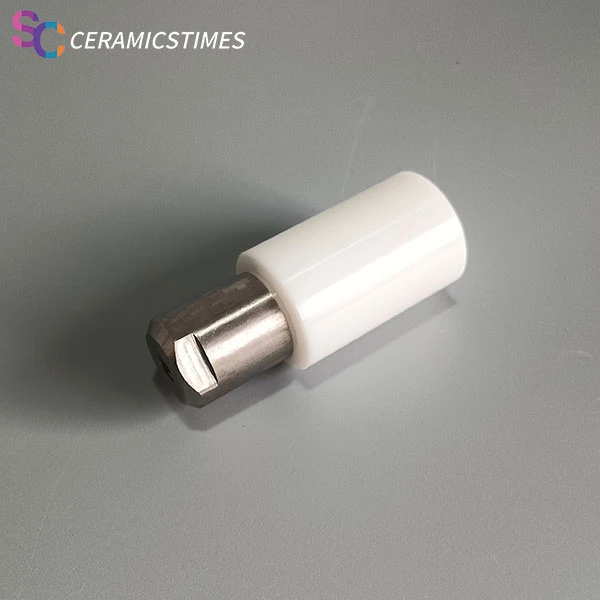
Ceramic Tubes for Minimally Invasive Surgery
Minimally invasive surgery has become a preferred approach in oncology due to its reduced patient trauma, shorter recovery times, and lower risk of complications. Ceramic Tube for Minimally Invasive Surgery plays a crucial role in these procedures. Ceramic tubes are used as channels for surgical instruments, endoscopes, and other devices. Their smooth surface allows for easy insertion and movement within the body, minimizing tissue damage. Additionally, ceramics are radiolucent, which means they do not interfere with X - ray or other imaging techniques, enabling real - time monitoring during the procedure.
2. Diagnostic Applications
Breast Cancer Medical Alumina Crucible
In the diagnosis of breast cancer, accurate sample analysis is essential. Breast Cancer Medical Alumina Crucible is used in laboratory settings for the analysis of breast tissue samples. Alumina ceramics have high chemical stability and can withstand high temperatures, making them ideal for processes such as sample digestion and ashing. These crucibles ensure that the samples are processed without contamination, providing reliable results for the diagnosis and staging of breast cancer.
3. Drug Delivery Applications
Zirconia Ceramic Valve
Drug delivery systems are crucial in oncology to ensure that chemotherapy drugs are delivered accurately and efficiently to the tumor site. Zirconia Ceramic Valve is used in drug delivery devices to control the flow of drugs. Zirconia ceramics have excellent mechanical properties and can be precisely engineered to provide accurate flow rates. They are also resistant to corrosion from chemotherapy drugs, ensuring the long - term stability of the drug delivery system.
Zirconia Ceramic Injection Pump
Zirconia Ceramic Injection Pump is another important component in oncology drug delivery. These pumps are used to administer chemotherapy drugs intravenously or directly into the tumor. Zirconia ceramics offer high precision in drug dosing, which is critical in oncology where the dosage of chemotherapy drugs needs to be carefully controlled to maximize the therapeutic effect while minimizing side effects.
4. Implant Applications
Medical ceramics are also used in oncology for implant applications. For example, after the removal of a tumor in the bone, ceramic implants can be used to replace the damaged bone. These implants are biocompatible and can integrate with the surrounding bone tissue, promoting healing and restoring function. Additionally, some ceramic implants can be loaded with drugs or growth factors to enhance the treatment of cancer and the regeneration of bone tissue.
5. Radiation Therapy Applications
In radiation therapy, medical ceramics can be used as shielding materials. Ceramics have high density and can effectively absorb and scatter radiation, protecting healthy tissues from the harmful effects of radiation during cancer treatment. They can also be used in the construction of radiation sources and delivery systems to ensure accurate and efficient radiation delivery to the tumor site.
6. Advantages of Medical Ceramics in Oncology
The use of medical ceramics in oncology offers several advantages. Firstly, their biocompatibility reduces the risk of immune reactions and infections, which is particularly important for cancer patients whose immune systems may already be compromised. Secondly, their high mechanical strength and wear resistance ensure the longevity and reliability of medical devices. Thirdly, their chemical stability allows them to be used in harsh chemical environments, such as those encountered in chemotherapy and laboratory analysis. Finally, their unique physical properties, such as radiolucency and high thermal stability, make them suitable for a wide range of applications in oncology.
7. Future Trends
The future of medical ceramics in oncology looks promising. With the development of advanced manufacturing techniques, such as 3D printing, it will be possible to create customized ceramic medical devices that are tailored to the specific needs of individual patients. Additionally, research is ongoing to develop new types of medical ceramics with enhanced properties, such as improved biocompatibility and drug - releasing capabilities. These advancements will further expand the applications of medical ceramics in oncology and improve the quality of cancer care.
8. Contact for Procurement
As a reliable medical ceramics supplier, we are committed to providing high - quality products and excellent service. If you are interested in any of our medical ceramic products, such as Ceramic Jaws, Breast Cancer Medical Alumina Crucible, Ceramic Tube for Minimally Invasive Surgery, Zirconia Ceramic Valve, or Zirconia Ceramic Injection Pump, please feel free to contact us for procurement and further discussions. We look forward to collaborating with you to contribute to the advancement of oncology treatment.
References
- Hench, L. L., & Ethridge, E. C. (Eds.). (1982). Biomaterials: An Interfacial Approach. Academic Press.
- Williams, D. F. (1999). On the mechanisms of biocompatibility. Biomaterials, 20(23), 2375 - 2383.
- Zhang, Y., & Webster, T. J. (2009). Nanophase ceramics for bone tissue engineering. Acta Biomaterialia, 5(1), 1 - 10.