

Refractory ceramics play a crucial role in various industrial applications, especially in the stopper rod used in the metallurgical industry. As a leading refractory ceramics supplier, I am excited to share insights into the types of refractory ceramics used in stopper rods, their properties, and how they contribute to the overall performance of the stopper rod system.
Understanding the Stopper Rod and Its Importance
The stopper rod is an essential component in the continuous casting process of steel and other metals. It is used to control the flow of molten metal from the tundish to the mold. By adjusting the position of the stopper rod, operators can precisely regulate the rate of metal flow, ensuring a smooth and consistent casting process. The stopper rod must withstand high temperatures, mechanical stress, and chemical corrosion, making the choice of refractory ceramics critical for its performance and durability.
Types of Refractory Ceramics Used in Stopper Rods
Alumina-Based Ceramics
Alumina (Al₂O₃) is one of the most commonly used refractory materials in stopper rods. It offers excellent thermal stability, high mechanical strength, and good resistance to chemical attack. Alumina-based ceramics can withstand temperatures up to 1800°C, making them suitable for use in high-temperature environments. They are also relatively inexpensive and easy to manufacture, which makes them a popular choice for stopper rod applications.

One of the key advantages of alumina-based ceramics is their low thermal expansion coefficient. This property helps to minimize thermal stress and cracking during heating and cooling cycles, ensuring the long-term reliability of the stopper rod. Additionally, alumina-based ceramics have good wear resistance, which is important for maintaining the shape and integrity of the stopper rod tip.
Zirconia-Based Ceramics
Zirconia (ZrO₂) is another important refractory material used in stopper rods. It has a high melting point (around 2700°C) and excellent thermal shock resistance. Zirconia-based ceramics can withstand rapid temperature changes without cracking, making them ideal for use in applications where the stopper rod is exposed to sudden temperature fluctuations.
Zirconia-based ceramics also have good chemical stability and are resistant to corrosion by molten metals and slags. They are often used in combination with other refractory materials to enhance the performance of the stopper rod. For example, zirconia can be added to alumina-based ceramics to improve their thermal shock resistance and mechanical strength.
Silicon Carbide (SiC) and Silicon Nitride (Si₃N₄) Ceramics
Silicon carbide and silicon nitride ceramics are known for their high hardness, wear resistance, and thermal conductivity. They are often used in stopper rods to improve the wear resistance of the tip and to enhance the overall performance of the stopper rod.
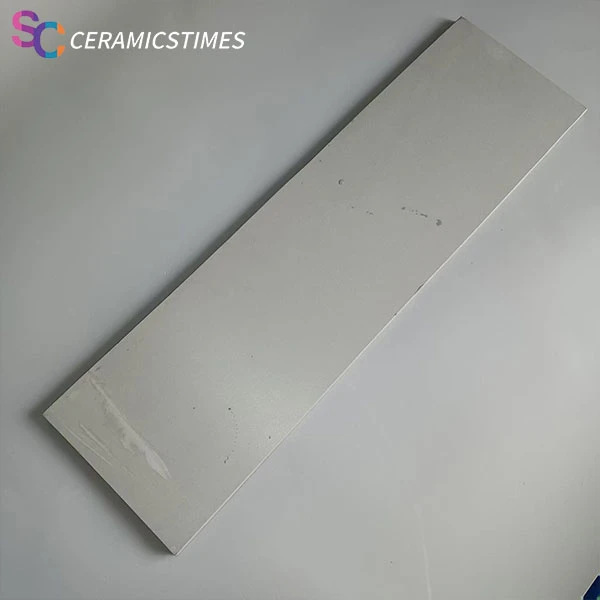
Silicon Carbide Combined With Silicon Nitride Ceramics Refractory Board is a type of refractory material that combines the properties of silicon carbide and silicon nitride. It offers excellent thermal shock resistance, high mechanical strength, and good chemical stability. This material is often used in the manufacture of stopper rod tips, where it can withstand the high temperatures and mechanical stress associated with the continuous casting process.
Properties and Benefits of Refractory Ceramics in Stopper Rods
High Temperature Resistance
One of the primary requirements for refractory ceramics used in stopper rods is their ability to withstand high temperatures. The molten metal in the tundish can reach temperatures of up to 1600°C or higher, and the stopper rod must be able to maintain its structural integrity and performance under these extreme conditions. Refractory ceramics such as alumina, zirconia, and silicon carbide have high melting points and excellent thermal stability, making them suitable for use in high-temperature applications.
Chemical Resistance
The stopper rod is in direct contact with molten metal and slags, which can cause chemical corrosion and degradation of the material. Refractory ceramics have good chemical resistance and are able to withstand the corrosive effects of molten metals and slags. This helps to extend the service life of the stopper rod and ensures the quality of the cast product.
Mechanical Strength
The stopper rod is subjected to mechanical stress during the casting process, including the force of the molten metal flow and the pressure exerted by the tundish. Refractory ceramics have high mechanical strength and are able to withstand these stresses without breaking or deforming. This ensures the reliable operation of the stopper rod and helps to prevent leakage of molten metal.
Thermal Shock Resistance
The stopper rod is exposed to rapid temperature changes during the casting process, which can cause thermal shock and cracking. Refractory ceramics with good thermal shock resistance are able to withstand these temperature changes without cracking or spalling. This helps to maintain the integrity of the stopper rod and ensures the continuous operation of the casting process.
Applications of Refractory Ceramics in Stopper Rods
Steelmaking
In the steelmaking industry, stopper rods are used to control the flow of molten steel from the tundish to the mold during the continuous casting process. Refractory ceramics are essential for the performance and durability of the stopper rod, as they can withstand the high temperatures, mechanical stress, and chemical corrosion associated with the steelmaking process.
Non-Ferrous Metal Casting
Refractory ceramics are also used in the casting of non-ferrous metals such as aluminum, copper, and zinc. In these applications, the stopper rod must be able to withstand the high temperatures and corrosive environments associated with the casting of non-ferrous metals. Refractory ceramics such as alumina, zirconia, and silicon carbide are commonly used in stopper rods for non-ferrous metal casting.
Our Offerings as a Refractory Ceramics Supplier
As a refractory ceramics supplier, we offer a wide range of products suitable for use in stopper rods. Our products include Ceramic Firing Plate and Silicon Carbide Skeleton, which are designed to meet the specific requirements of the metallurgical industry.
Our refractory ceramics are manufactured using high-quality raw materials and advanced production techniques, ensuring their high performance and reliability. We also offer customized solutions to meet the specific needs of our customers, including the design and manufacture of stopper rods with specific dimensions and properties.
Contact Us for Procurement and Discussion
If you are interested in purchasing refractory ceramics for your stopper rod applications, we would be happy to discuss your requirements and provide you with a customized solution. Our team of experts has extensive experience in the refractory ceramics industry and can provide you with professional advice and support.
Whether you are a steelmaker, a non-ferrous metal caster, or a manufacturer of refractory products, we can help you find the right refractory ceramics for your needs. Contact us today to start a discussion about your procurement requirements and to learn more about our products and services.
References
- Smith, J. (2018). Refractory Materials for High-Temperature Applications. Elsevier.
- Jones, A. (2019). The Role of Refractory Ceramics in the Metallurgical Industry. Journal of Materials Science, 54(12), 4567-4578.
- Brown, C. (2020). Advances in Refractory Ceramics for Stopper Rods. International Journal of Refractory Metals and Hard Materials, 88, 105432.