

When it comes to precision grinding operations, selecting the right ceramic grinding wheel is crucial for achieving optimal results. As a trusted ceramic grinding wheel supplier, I understand the challenges and considerations that go into making this important decision. In this blog post, I will share some valuable insights on how to choose the right ceramic grinding wheel for your specific needs.
Understanding the Basics of Ceramic Grinding Wheels
Ceramic grinding wheels are made from a combination of ceramic grains and a bonding agent. The ceramic grains provide the cutting action, while the bonding agent holds the grains together and provides the necessary strength and stability. These wheels are known for their high hardness, wear resistance, and ability to maintain their shape during grinding.
There are several types of ceramic grinding wheels available, each with its own unique properties and applications. Some of the most common types include:
- Aluminum Oxide Wheels: These wheels are made from aluminum oxide grains and are suitable for grinding a wide range of materials, including steel, cast iron, and non-ferrous metals. They are known for their good cutting ability and long life.
- Silicon Carbide Wheels: Silicon carbide wheels are made from silicon carbide grains and are ideal for grinding hard and brittle materials, such as ceramics, glass, and stone. They offer high cutting efficiency and excellent surface finish.
- Zirconia Alumina Wheels: Zirconia alumina wheels are made from a combination of zirconia and alumina grains. They are known for their high toughness and resistance to wear, making them suitable for grinding difficult-to-machine materials, such as stainless steel and high-speed steel.
Factors to Consider When Choosing a Ceramic Grinding Wheel
When choosing a ceramic grinding wheel, there are several factors that you need to consider to ensure that you select the right wheel for your specific application. Some of the key factors include:
- Material to be Ground: The type of material you are grinding is one of the most important factors to consider. Different materials require different types of grinding wheels. For example, if you are grinding steel, you may want to choose an aluminum oxide wheel, while if you are grinding ceramics, a silicon carbide wheel may be more suitable.
- Grinding Operation: The type of grinding operation you are performing also plays a role in selecting the right wheel. For example, if you are performing a rough grinding operation, you may want to choose a wheel with a coarser grit size, while if you are performing a finishing operation, a finer grit size may be more appropriate.
- Wheel Speed: The speed at which the grinding wheel rotates is another important factor to consider. Different wheels are designed to operate at different speeds, and using a wheel at the wrong speed can result in poor performance and even damage to the wheel.
- Wheel Size and Shape: The size and shape of the grinding wheel also need to be considered. The size of the wheel should be appropriate for the grinding machine and the workpiece, while the shape of the wheel should be selected based on the specific grinding operation.
- Bond Type: The bond type of the grinding wheel refers to the material that holds the abrasive grains together. Different bond types have different properties and are suitable for different applications. For example, a vitrified bond is known for its high strength and heat resistance, while a resin bond is more flexible and suitable for grinding delicate materials.
Tips for Choosing the Right Ceramic Grinding Wheel
Here are some tips to help you choose the right ceramic grinding wheel for your specific needs:

- Consult with an Expert: If you are unsure which type of grinding wheel is best for your application, it is always a good idea to consult with an expert. A knowledgeable supplier or grinding professional can provide you with valuable advice and recommendations based on your specific requirements.
- Consider the Cost: While cost is an important factor to consider, it should not be the only factor. Choosing a high-quality grinding wheel may cost more upfront, but it can save you money in the long run by providing better performance and longer life.
- Test the Wheel: Before using a new grinding wheel, it is a good idea to test it on a small area of the workpiece to ensure that it provides the desired results. This can help you avoid any potential problems and ensure that the wheel is suitable for your application.
- Follow the Manufacturer's Recommendations: It is important to follow the manufacturer's recommendations when using a grinding wheel. This includes using the correct speed, feed rate, and coolant, as well as proper handling and storage of the wheel.
Applications of Ceramic Grinding Wheels
Ceramic grinding wheels are used in a wide range of industries and applications, including:
- Automotive Industry: Ceramic grinding wheels are used in the automotive industry for grinding engine components, such as pistons, cylinders, and crankshafts. They are also used for grinding brake rotors and other parts.
- Aerospace Industry: In the aerospace industry, ceramic grinding wheels are used for grinding turbine blades, engine components, and other high-precision parts. They are known for their ability to provide a high-quality surface finish and precise dimensional accuracy.
- Medical Industry: Ceramic grinding wheels are used in the medical industry for grinding surgical instruments, dental implants, and other medical devices. They are known for their ability to provide a smooth and precise finish, which is essential for medical applications.
- Electronics Industry: In the electronics industry, ceramic grinding wheels are used for grinding semiconductor wafers, printed circuit boards, and other electronic components. They are known for their ability to provide a high-quality surface finish and precise dimensional accuracy.
Related Products
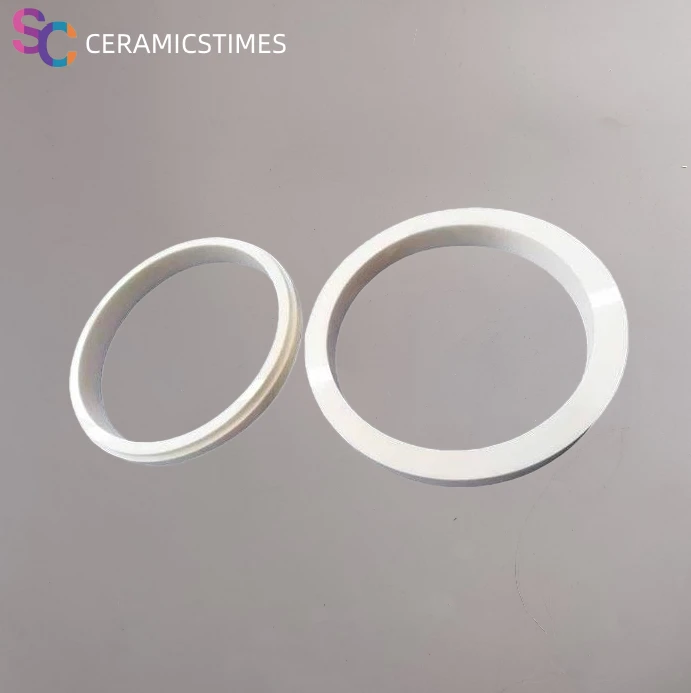
In addition to ceramic grinding wheels, we also offer a range of related products, including Zirconia Sealing Ring, Silicon Carbide Ceramic Sealing Ring, and Ceramic pressure pins for photovoltaic equipment. These products are designed to meet the specific needs of various industries and applications.
Conclusion
Choosing the right ceramic grinding wheel is essential for achieving optimal results in your grinding operations. By considering the factors discussed in this blog post and following the tips provided, you can select the right wheel for your specific needs. If you have any questions or need further assistance, please do not hesitate to contact us. We are here to help you find the best ceramic grinding wheel for your application.
References
- "Grinding Technology: Theory and Applications of Machining with Abrasives" by Stephen Malkin
- "Handbook of Machining with Grinding Wheels" by Paul D. Corsi
- "Abrasive Machining Technology" by Patrick C. Byrne