

Refractory ceramics play a crucial role in refractory fiber insulation, offering exceptional heat resistance, mechanical strength, and chemical stability. As a leading refractory ceramics supplier, we understand the importance of these materials in various high - temperature applications. In this blog, we will explore the types of refractory ceramics used in refractory fiber insulation, their properties, and applications.
Types of Refractory Ceramics in Refractory Fiber Insulation
Alumina - Based Ceramics
Alumina (Al₂O₃) is one of the most widely used refractory ceramics in refractory fiber insulation. Alumina - based ceramics are known for their high melting point, excellent thermal shock resistance, and good chemical stability. They can withstand temperatures up to 1800°C, making them suitable for applications in furnaces, kilns, and other high - temperature environments.
The high alumina content in these ceramics provides superior insulation properties, reducing heat loss and improving energy efficiency. Alumina - based refractory fibers are often used in the lining of industrial furnaces, where they can effectively protect the furnace structure from high - temperature damage. For example, in a steel - making furnace, alumina - based refractory fibers can be used to line the walls and roof, providing a barrier against the intense heat generated during the steel - making process.
Zirconia - Based Ceramics
Zirconia (ZrO₂) is another important refractory ceramic used in refractory fiber insulation. Zirconia - based ceramics have a very high melting point (around 2700°C) and excellent thermal insulation properties. They are also resistant to chemical corrosion and have good mechanical strength at high temperatures.
Zirconia fibers are often used in applications where extremely high temperatures are involved, such as in aerospace and advanced ceramics manufacturing. For instance, in the aerospace industry, zirconia - based refractory fibers can be used in the insulation of rocket engines, where they need to withstand the high - temperature and high - pressure environment during rocket launches.
Silicon Carbide (SiC) Ceramics
Silicon carbide is a hard and strong refractory ceramic with excellent thermal conductivity and high - temperature stability. SiC ceramics can withstand temperatures up to 2200°C and are resistant to oxidation and corrosion. They are commonly used in high - temperature applications such as in the semiconductor industry, where they are used in the manufacturing of heating elements and crucibles.
The high thermal conductivity of SiC ceramics makes them ideal for applications where rapid heat transfer is required. For example, in a semiconductor manufacturing process, SiC heating elements can quickly heat up the semiconductor wafers to the required processing temperature, improving the efficiency of the manufacturing process. We offer Silicon Carbide Combined With Silicon Nitride Ceramic Crucible, which combines the excellent properties of SiC and silicon nitride for high - performance crucible applications.
Silicon Nitride (Si₃N₄) Ceramics
Silicon nitride is a high - strength refractory ceramic with good thermal shock resistance and chemical stability. It has a relatively high melting point (around 1900°C) and can maintain its mechanical properties at high temperatures.
Silicon nitride ceramics are often used in applications where high - temperature strength and wear resistance are required, such as in cutting tools and engine components. In refractory fiber insulation, silicon nitride - based ceramics can be used to enhance the mechanical strength and durability of the insulation materials. We also provide Silicon Carbide Combined With Silicon Nitride Ceramics Refractory Board, which combines the advantages of both SiC and Si₃N₄ for high - performance refractory applications.
Properties of Refractory Ceramics in Refractory Fiber Insulation
Heat Resistance
One of the most important properties of refractory ceramics in refractory fiber insulation is their heat resistance. These ceramics can withstand high temperatures without melting or deforming, which is essential for applications in high - temperature environments. The high melting points of alumina, zirconia, silicon carbide, and silicon nitride ceramics allow them to maintain their structural integrity at extreme temperatures.
Thermal Insulation
Refractory ceramics also have excellent thermal insulation properties. They can reduce heat transfer from the hot side to the cold side, which helps to conserve energy and improve the efficiency of high - temperature processes. For example, in a furnace, the use of refractory ceramics in the insulation can significantly reduce the amount of heat lost to the surroundings, resulting in lower energy consumption.
Chemical Stability
Refractory ceramics are chemically stable and resistant to corrosion by various chemicals. This property is important in applications where the insulation materials are exposed to corrosive substances, such as in chemical processing plants. The chemical stability of these ceramics ensures that they can maintain their performance over a long period of time, even in harsh chemical environments.
Mechanical Strength
Refractory ceramics have good mechanical strength, which allows them to withstand mechanical stresses and vibrations in high - temperature applications. This is particularly important in applications where the insulation materials are subject to mechanical forces, such as in the lining of furnaces that are subject to thermal cycling.
Applications of Refractory Ceramics in Refractory Fiber Insulation
Industrial Furnaces
Industrial furnaces are one of the most common applications of refractory ceramics in refractory fiber insulation. These furnaces are used in various industries, such as steel, glass, and ceramics manufacturing, to heat materials to high temperatures. Refractory ceramics are used to line the walls, roof, and floor of the furnaces, providing insulation and protecting the furnace structure from high - temperature damage. For example, in a steel - making furnace, alumina - based refractory fibers can be used to line the walls, reducing heat loss and improving the efficiency of the steel - making process.
Kilns
Kilns are used in the ceramics and pottery industries to fire ceramic products. Refractory ceramics are used in the insulation of kilns to maintain a stable temperature during the firing process. The high - temperature resistance and thermal insulation properties of these ceramics ensure that the kiln can reach and maintain the required firing temperature, resulting in high - quality ceramic products. We offer Ceramic Firing Plate, which is an essential component in ceramic kilns for firing ceramic products.
Aerospace Industry
In the aerospace industry, refractory ceramics are used in the insulation of rocket engines, aircraft engines, and other high - temperature components. The high - temperature resistance and lightweight properties of these ceramics make them ideal for aerospace applications. For example, zirconia - based refractory fibers can be used in the insulation of rocket engines, where they need to withstand the high - temperature and high - pressure environment during rocket launches.
Why Choose Our Refractory Ceramics
As a professional refractory ceramics supplier, we offer a wide range of high - quality refractory ceramic products. Our products are manufactured using advanced technology and high - quality raw materials, ensuring excellent performance and reliability.
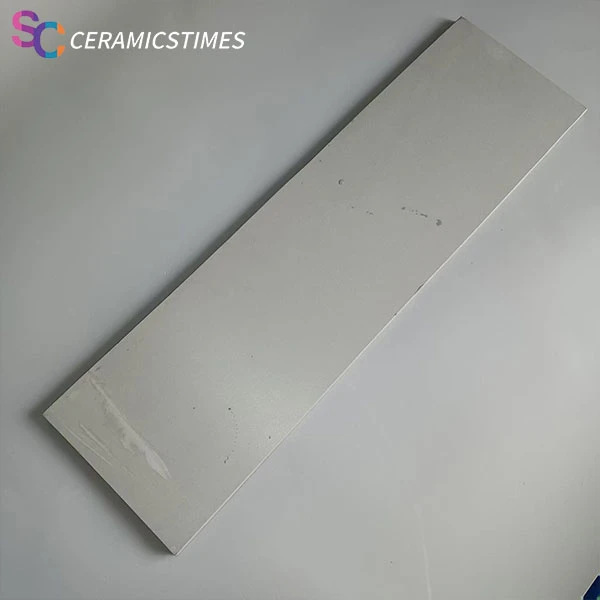

We have a team of experienced engineers and technicians who can provide technical support and customized solutions according to your specific requirements. Whether you need alumina - based, zirconia - based, silicon carbide, or silicon nitride ceramics, we can meet your needs.
Our refractory ceramics have been widely used in various industries, and we have received positive feedback from our customers. We are committed to providing the best products and services to our customers, and we look forward to establishing long - term partnerships with you.
Contact Us for Procurement
If you are interested in our refractory ceramics products or have any questions about refractory fiber insulation, please feel free to contact us. We are ready to provide you with detailed product information and technical support. Our professional sales team will be happy to assist you in finding the most suitable refractory ceramic products for your applications. Let's work together to achieve your high - temperature insulation goals.
References
- "Refractory Materials: Principles and Practice" by P. V. Ramana
- "High - Temperature Materials and Technologies" by R. K. Gupta
- "Ceramics: Structure, Properties, Processing, and Applications" by W. D. Kingery, H. K. Bowen, and D. R. Uhlmann