


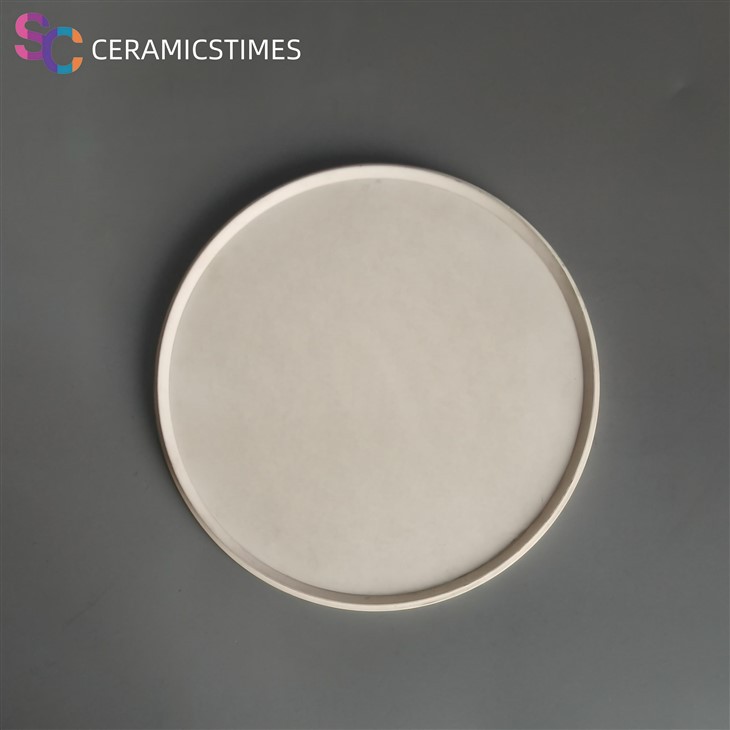

Products Description
A chip carrier, commonly known as a chip tray or IC tray, is a critical auxiliary material used in the processes of semiconductor manufacturing, testing, transportation, and assembly to carry, protect, and transport integrated circuit chips. Its core function is to ensure that the precise and fragile chips are safeguarded against physical damage, electrostatic discharge, and environmental contamination throughout various stages.
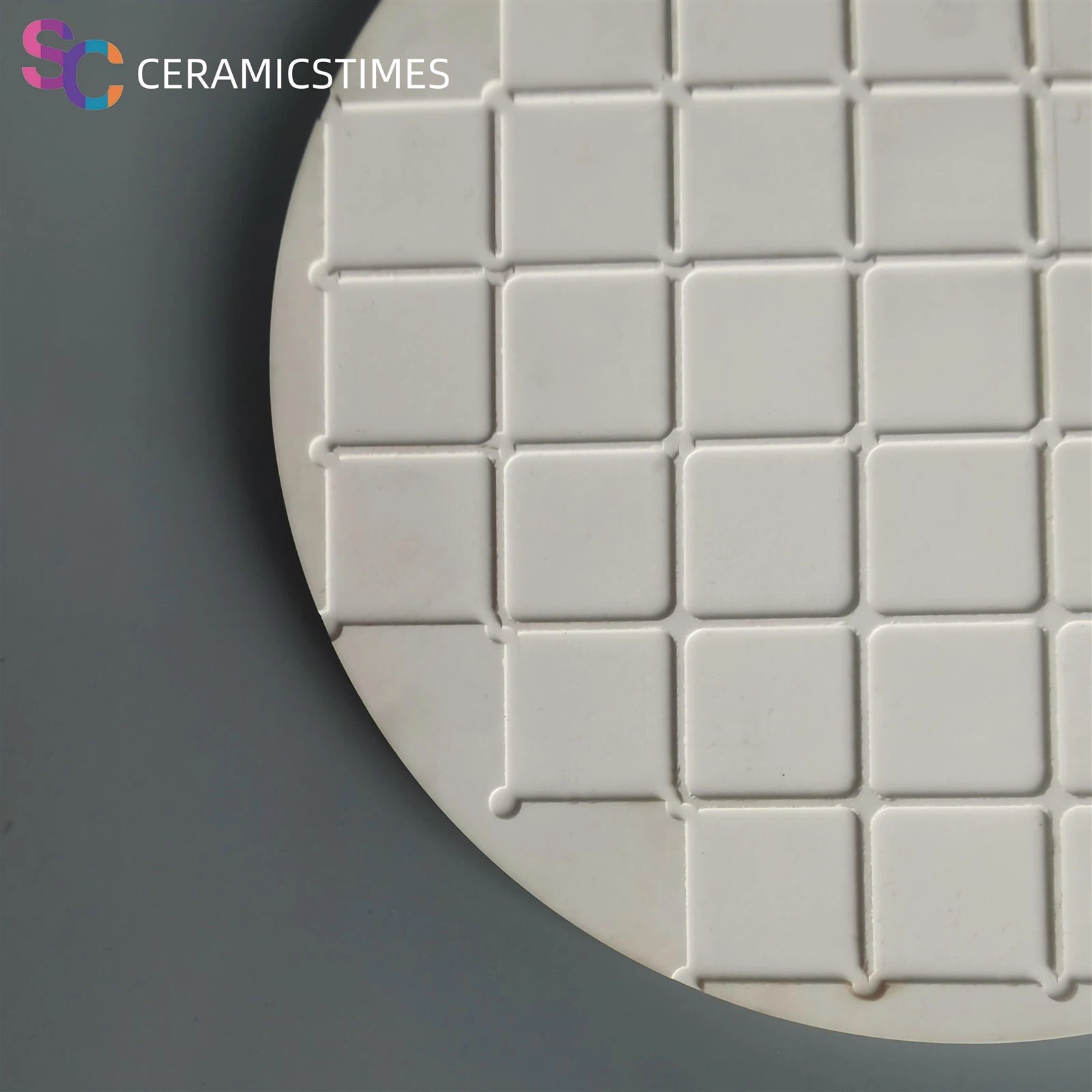
Performance Characteristics
- High Precision and Stability: Manufactured using precision injection molding processes, they feature strict dimensional tolerances and excellent flatness, ensuring that chips are securely positioned and do not shift or vibrate during high-speed automated pick-and-place operations.
- Excellent Electrostatic Protection: Mainstream products are made from carbon-filled anti-static plastics (such as ESD PP/PE), which safely dissipate static electricity and prevent chip damage caused by electrostatic discharge (ESD).
- Superior Physical Protection: Designed with cavities that match the chip's shape, they firmly hold the chips in place, preventing slipping and collision during transportation. The materials also possess appropriate rigidity, toughness, and low abrasiveness to avoid generating dust or scratching the chips.
- Good Chemical and Temperature Resistance: Capable of withstanding thermal environments (e.g., high-temperature testing) and chemical exposures that may be encountered in post-packaging and testing processes, without deformation or release of harmful gases.
- Standardization and Compatibility: Designed in compliance with industry standards such as JEDEC, ensuring perfect compatibility with automated equipment like pick-and-place machines, test handlers, programmers, and conveying systems.
Main Technical Parameters
- Material: Most commonly made of anti-static plastic (ESD Plastic), such as black anti-static PP (polypropylene), PE (polyethylene), or PC (polycarbonate). For higher requirements, conductive plastics or special coated materials are also used.
- Dimensions and Structure: Includes overall dimensions (e.g., standard JEDEC tray sizes), cavity dimensions (length, width, height/thickness), pin slot design, and the position and precision of locating holes (reference holes) and identification notches.
- Capacity and Pitch: Refers to the number of chips a single tray can hold (e.g., 88 or 196 chips per tray) and the center-to-center distance (pitch) between chips, directly impacting equipment processing efficiency.
- Electrostatic Performance: Surface resistivity typically ranges from 10^5 to 10^11 ohms per square to meet different protection-level requirements.
- Temperature Range: Generally capable of withstanding short-term temperatures from -40°C to +125°C or higher, to accommodate soldering (e.g., SMT reflow soldering) and testing environments.
- Load Capacity and Stackability: The weight-bearing capacity when fully loaded with chips, as well as the stability and anti-sticking properties when empty trays are stacked.
Main Applications
Chip carriers are used throughout the entire process from chip production to final mounting onto circuit boards:
- Chip Manufacturing and Testing: After wafers are diced into individual chips (bare die or packaged chips), carriers are used to contain, transport, and directly feed chips into test handlers, programmers, and visual inspection machines for electrical performance testing, program writing, and quality inspection.
- Transportation and Storage: Serving as the standard packaging form for chips, they protect chips during inter-factory and international transportation, as well as warehouse storage. Multiple loaded trays can be placed in anti-static storage boxes for batch handling.
- Electronic Product Assembly (SMT Production Line): In Surface Mount Technology (SMT) workshops, carriers are placed on the feeders of automated pick-and-place machines. The placement head precisely picks up chips directly from the tray cavities and mounts them onto printed circuit boards (PCBs). This is one of their most critical application scenarios.
Quality control
In strict adherence to the ISO 9001 Quality Management System, we implement full-process quality control to ensure the consistent delivery of high-quality products:
• 100% inspection of raw materials, guaranteeing quality from the source
• Utilization of advanced hot-pressing production lines for stable and reliable processes
• A comprehensive in-house testing system covering density, hardness, and microstructure analysis
• Availability of third-party authoritative certifications (including SGS, CE, ROHS, etc., provided upon request)
We remain committed to continuous improvement of our management system, providing customers with consistent and reliable product assurance.



Hot Tags: chip carrier, chip carrier manufacturers, suppliers, factory, photovoltaic alumina substrate, alumina ceramic auxiliary impeller, yttrium oxide ceramic tube


